Adjustments help you move. Exercises help you keep moving. That one idea shapes almost every care plan we write at TrueAlign Chiropractic. An adjustment can ease stiffness, restore motion to a joint that has been stuck and help you feel noticeably better when you walk out the door. But what happens over the next six days, at home, at your desk and in your car, decides whether that feeling lasts.
That is why every plan includes simple homework. Not an hour at the gym, and not a long printout you will lose in a kitchen drawer. Just a few targeted movements, picked for your body and your goals, that fit into an ordinary day.
What an adjustment does, and what it doesn’t
When we adjust a joint, we are helping it move through a range it has been avoiding. Patients often describe the result as feeling looser, lighter or more open. That improved motion is valuable. It can make daily tasks more comfortable and give your body a chance to settle out of a protective, guarded pattern.
What an adjustment cannot do on its own is build strength, change long-held habits or teach your muscles a new way to support you. If the muscles around a stiff lower back are weak or tired, or if you spend nine hours a day in the same slumped position, the old pattern tends to creep back in. Exercise fills that gap. It gives your body the strength and control to hold on to the movement the adjustment unlocked.

Short and specific
Three or four exercises, ten minutes a day, chosen for your body. We keep homework deliberately small, because the best exercise program is the one you actually do. A ten-minute routine done six days a week beats a forty-five-minute routine done once and abandoned.
Specific matters just as much as short. Two patients with lower back pain might get completely different homework. One might need to build endurance in the deep muscles that stabilize the spine. Another might need to restore mobility in stiff hips that are forcing the lower back to do too much work. A generic list from the internet cannot tell the difference, and that is where a proper assessment comes in.
What a typical plan might include
Every plan is personal, but here are the kinds of movements that show up often. They are examples, not a prescription. Please check with your own provider before starting any new exercise, especially if you are in pain.
- Mobility drills like cat-cow on hands and knees or gentle open-book rotations lying on your side, to keep stiff areas moving.
- Core endurance work such as bird dogs, modified side planks or dead bugs, to help the trunk support the spine.
- Hip strength with glute bridges or clamshells, because strong hips take pressure off the lower back.
- Posture resets like chin tucks and shoulder blade squeezes, especially for people who spend long days at a screen.
We demonstrate each one in the clinic, watch you try it and adjust it until it feels right. Then we send you home with a short video or a simple card, so you are not guessing about form.
Our goal is to see you less, not more.
Jason, chiropractor at TrueAlign
Fewer visits over time
Most patients need fewer visits as their strength improves. Jason says our goal is to see you less, not more, and he means it as a promise. A good care plan should have a clear direction: more frequent visits early on, when you are uncomfortable and still learning your exercises, then gradually spacing them out as you get stronger and more confident.
Here is roughly how that progression tends to look for many patients:
- Early phase: Visits are closer together. The focus is on easing discomfort, restoring motion and learning two or three foundational exercises.
- Building phase: Visits spread out. We add a new exercise or make an old one harder as you improve, and we check your form.
- Independent phase: You are doing the work on your own. Visits become occasional check-ins, or you simply call us if something flares up.
Everyone moves through these stages at a different pace, and that is fine. What matters is that the trend points toward independence. If your plan only ever adds visits and never removes them, it is worth asking why.
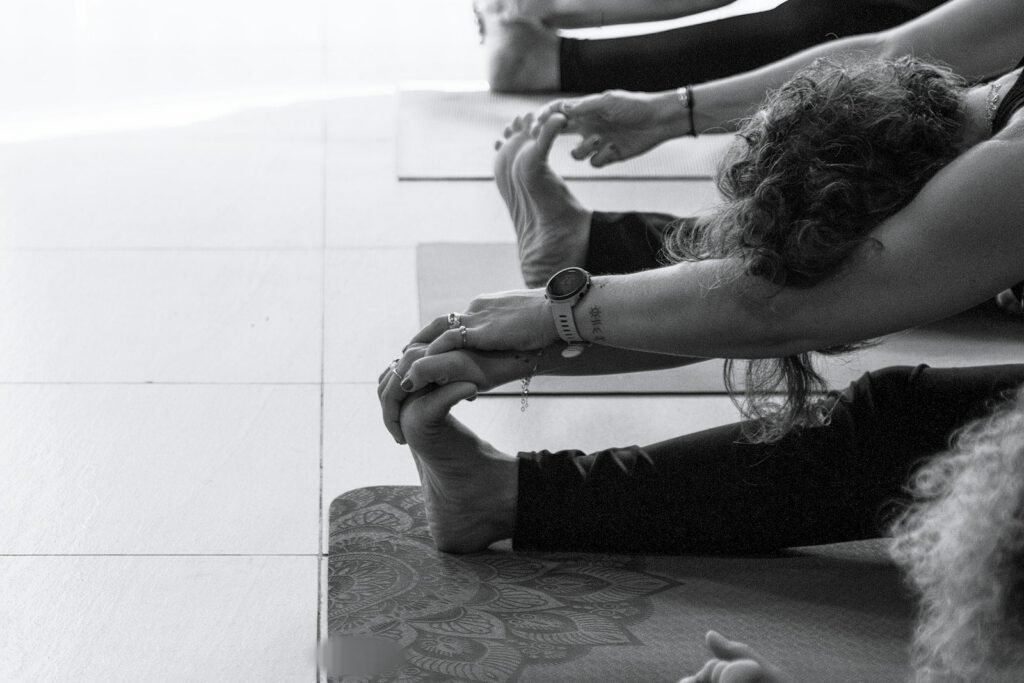
Making homework stick
We know life is busy. Most people do not skip their exercises because they do not care. They skip them because the routine never found a home in their day. Here are the strategies that seem to work best for our patients:
- Attach it to something you already do. Do your chin tucks while the coffee brews, or your bridges right after you brush your teeth at night.
- Keep your mat out. If it is rolled up in a closet, it stays there. Leave it somewhere you will see it.
- Track it simply. A checkmark on a paper calendar is surprisingly motivating. Five checks a week is a great target.
- Tell us when it isn’t working. If an exercise hurts, bores you or does not fit your schedule, we would rather swap it than have you quit.
Key takeaway: Ten minutes a day, most days of the week, is enough to make a real difference. Consistency matters far more than intensity.
What progress actually feels like
Progress is rarely a straight line. Many patients notice the first changes in small, everyday moments. Getting out of the car without bracing. Turning to check a blind spot without moving their whole torso. Sleeping through the night. Picking up a grandchild without thinking twice.
There will be setbacks, too. A long road trip, a stressful week at work or a weekend of yard work can bring back familiar stiffness. That does not mean the plan has failed. It usually means your body needs a few days of extra attention, and the exercises you already know are the perfect tool for that. Over time, patients learn to manage these small flares on their own, which is exactly the point.
If your pain changes in a way that worries you, such as new numbness, weakness or pain that spreads, please contact us or your doctor right away rather than waiting for your next visit. Exercise is powerful, but it is not a substitute for proper evaluation when something new appears.
Partners in the work
We think of care as a partnership. We bring the hands-on treatment, the assessment and the plan. You bring ten minutes a day and honest feedback about what is working. Together, that combination gets better results than either one alone.
So the next time you leave the clinic with a short list of exercises, think of it as the other half of your treatment rather than optional extra credit. Adjustments help you move. Exercises help you keep moving. And the goal, for every patient who walks through our door, is to need us a little less each month.